meiji period
40 items

Rurouni Kenshin
るろうに剣心 -明治剣客浪漫譚-
Ten years have passed since the end of Bakumatsu, an era of war that saw the uprising of citizens against the Tokugawa shogunate. The revolutionaries wanted to create a time of peace, and a thriving country free from oppression. The new age of Meiji has come, but peace has not yet been achieved. Swords are banned but people are still murdered in the streets. Orphans of war veterans are left with nowhere to go, while the government seems content to just line their pockets with money.
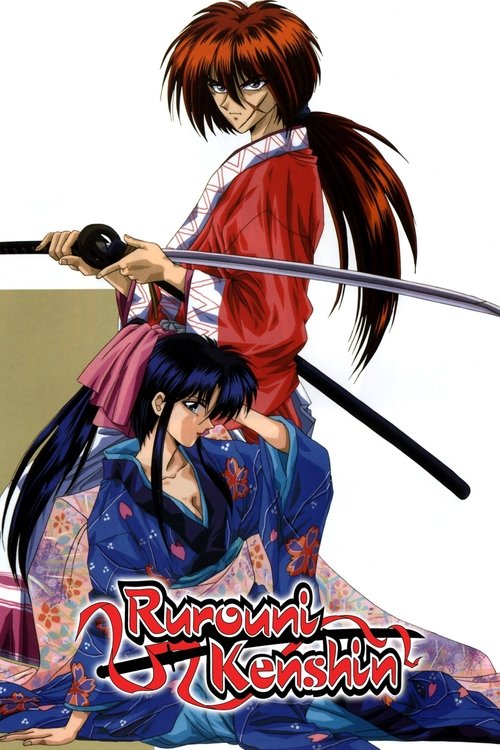
Rurouni Kenshin
るろうに剣心 明治剣客浪漫譚
The Meiji Era was one of great renewal for Japan, where swords and killing were outlawed. However, many survivors from the time of Revolution still live, lurking in the shadows and waiting for a chance to use their killing blades again. Only Kenshin Himura, formerly one of the most brutal of killers, hopes to keep his swordsman's honor and still live in the new era.
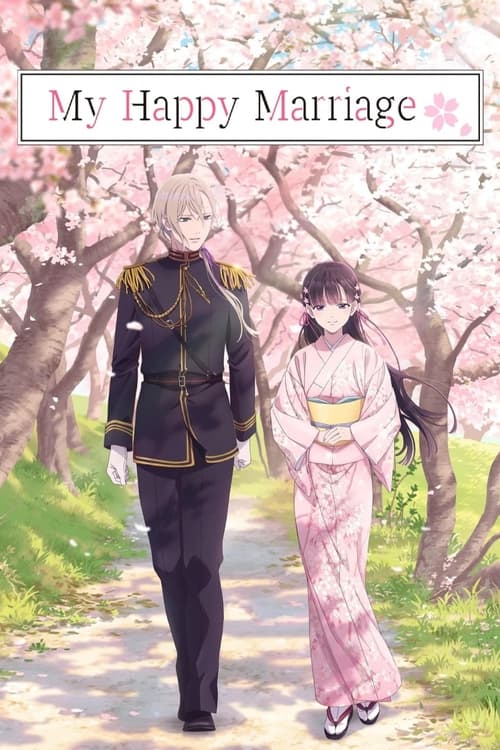
My Happy Marriage
わたしの幸せな結婚
Miyo's abusive family deems her worthless – but together with her powerful husband-to-be, her true self and hidden powers slowly begin to shine.
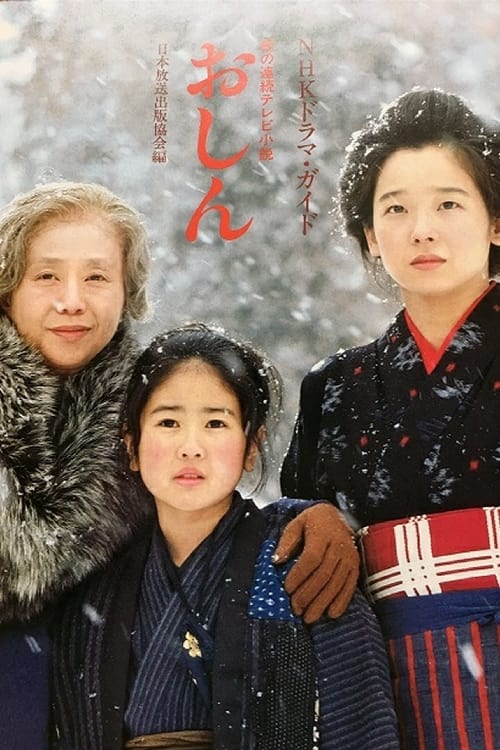
Oshin
おしん
Oshin is a Japanese serialized morning television drama, which aired on broadcaster NHK from April 4, 1983 to March 31, 1984. The series follows the life of Shin Tanokura during the Meiji period up to the early 1980s. Shin was called "Oshin", which is an archaic Japanese cognomen.

Last Samurai Standing
イクサガミ
In the early Meiji era, Shujiro, once known as an undefeated samurai, decides to participate in a deadly survival game to save his family and villagers.

Asa ga Kita
あさが来た
Towards the end of the Edo era, in the town of Kyoto, there lived a wealthy merchant by the name of Imai Tadamasa. He was blessed with 3 children, Hatsu, Asa and Kyutaro. His eldest, Hatsu, was a traditional girl who loved to play the koto and sew. Whilst his second daughter, Asa, was an impish hoyden who loved sumo wrestling. Asa was engaged to be married to the second son of a distinguished family who ran a money changer business in Osaka, Shirooka Shinjiro. Although Asa was furious when she had first heard about the betrothal, when she met up with Shinjiro for the first time, his charisma greatly attracted her and she fell in love with him in no time.
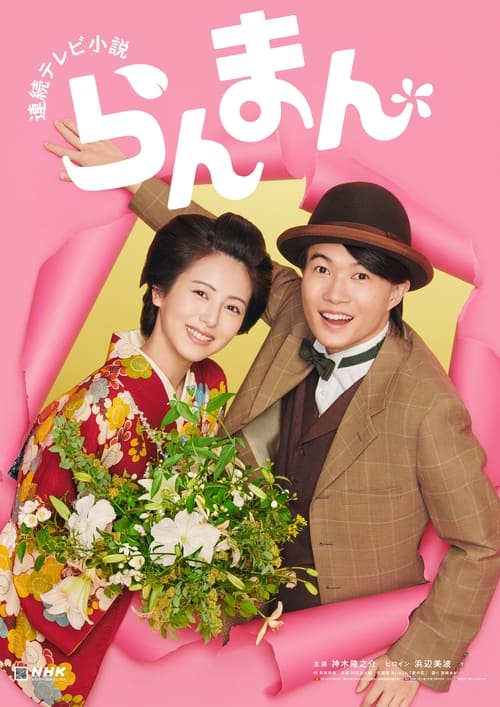
Ranman
らんまん
A passionate botanist dedicates his life to his love of plants, overcoming hardship across changing eras with the support of his devoted wife.

Undead Murder Farce
アンデッドガール・マーダーファルス
In this world, creatures like vampires and werewolves still walk about, but Aya Rindo can’t say the same for herself. This beautiful disembodied head, carried by her maid Shizuku Hasei, is a detective in search of her stolen body. One evening, they meet half-human Oni Slayer Tsugaru Shunichi, who offers a lending hand. Now, the trio is traveling through Europe, solving mysteries along the way.
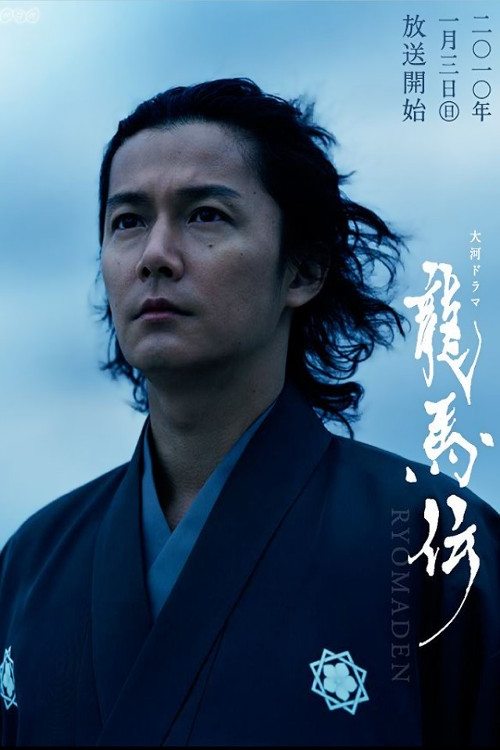
Ryōmaden
龍馬伝
Ryōmaden is the 49th NHK Taiga drama. It was shown on NHK from January 3 to November 28, 2010 spanning 48 episodes. The story centers on the life of 19th-century Japanese historical figures Iwasaki Yatarō and Sakamoto Ryōma. It has been announced that the series will be aired in several other countries, for example Hong Kong, South Korea, Taiwan and Thailand.
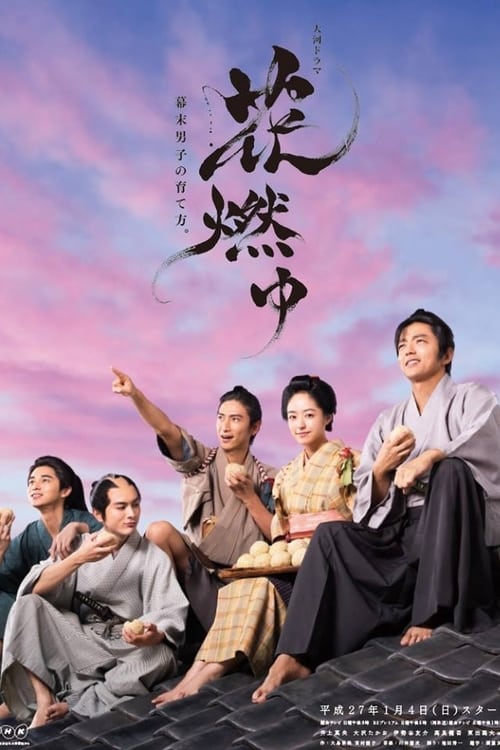
Burning Flower
花燃ゆ
Fumi becomes Genzui Kusaka’s wife. During the turbulent times of the closing days for the Tokugawa shogunate, she lives positively and tries to keep up Shoin Yoshida's will. Shoin Yoshida is her older brother and intellectual.
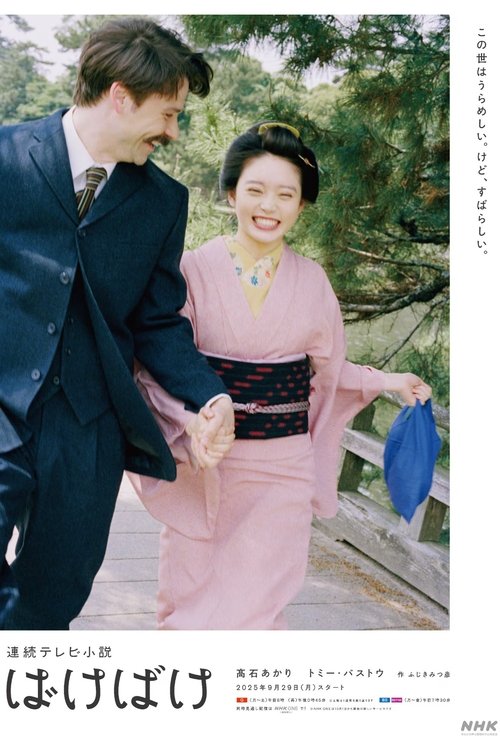
The Ghost Writer's Wife
ばけばけ
In Meiji-era Matsue, a fallen samurai’s daughter and a lonely foreign teacher connect through ghost stories and an unlikely friendship.
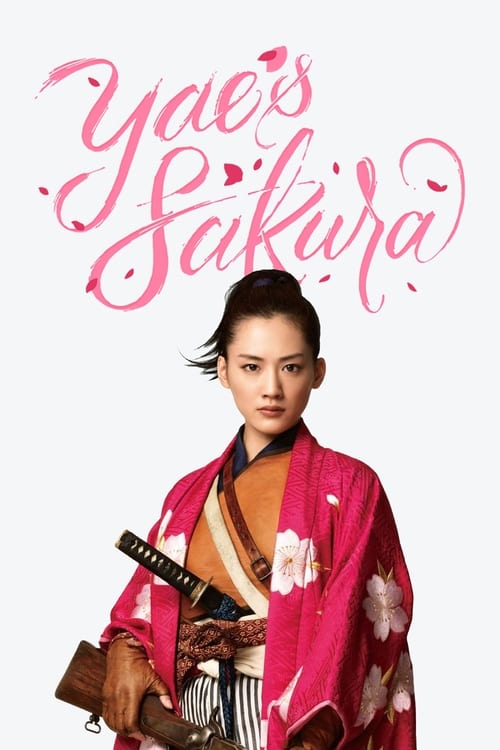
Yae's Sakura
八重の桜
Yae no Sakura is a 2013 Japanese television series. It is the 52nd NHK taiga drama. The story focuses on Niijima Yae, who is portrayed by Haruka Ayase.
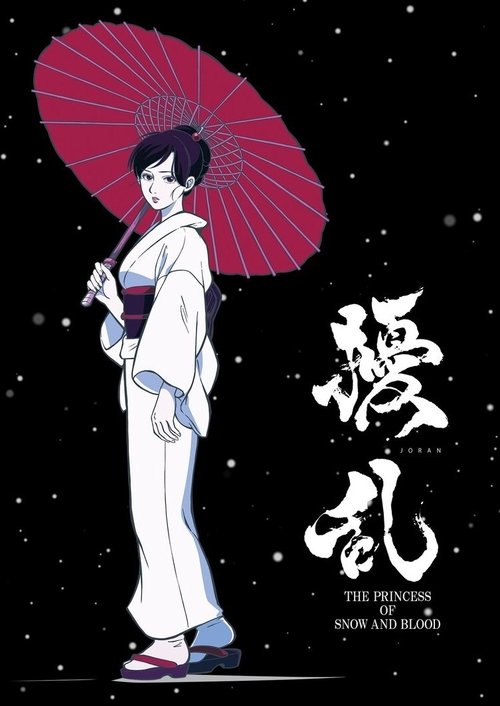
Joran: The Princess of Snow and Blood
擾乱 THE PRINCESS OF SNOW AND BLOOD
The year is 1931. Prince Tokugawa Yoshinobu holds absolute control over Japan. Remnants of the Meiji era’s culture can be seen around the city, but scientific technology and Japanese esoteric cosmology Onmyodo are also developing. Yet lurking behind the glitz is Kuchinawa, a dissident group planning the assassination of the prince. Tasked to extinguish these dissidents is Nue, the government’s secret executioner group. Sawa Yukimura, who works for this organization, suffered at the hands of the Kuchinawa boss. Her entire family was murdered and she dedicated her life to avenging their death.
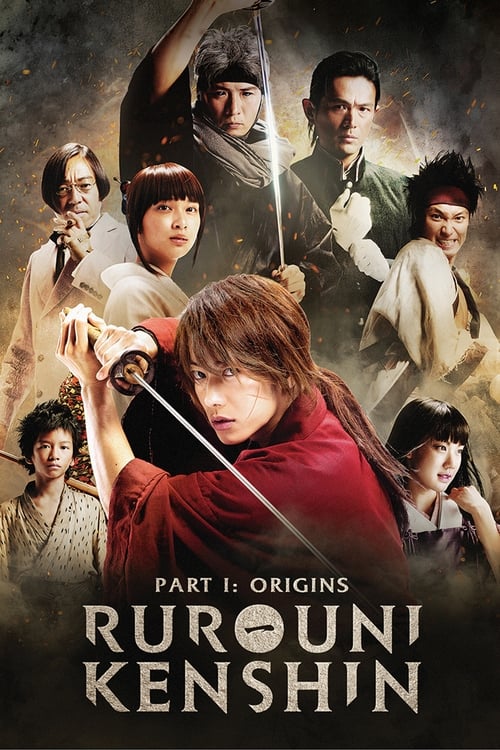
Rurouni Kenshin Part I: Origins
るろうに剣心
In 1868, after the Bakumatsu war ends, the ex-assassin Kenshin Himura traverses Japan with an inverted sword, to defend the needy without killing.
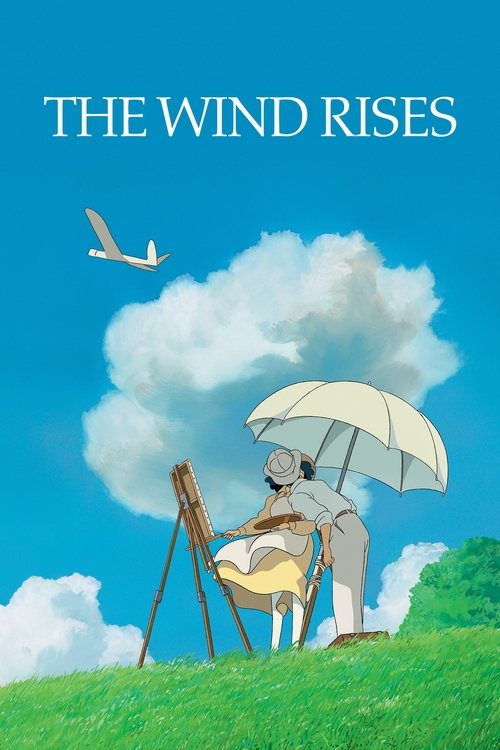
The Wind Rises
風立ちぬ
A lifelong love of flight inspires Japanese aviation engineer Jiro Horikoshi, whose storied career includes the creation of the A-6M World War II fighter plane.
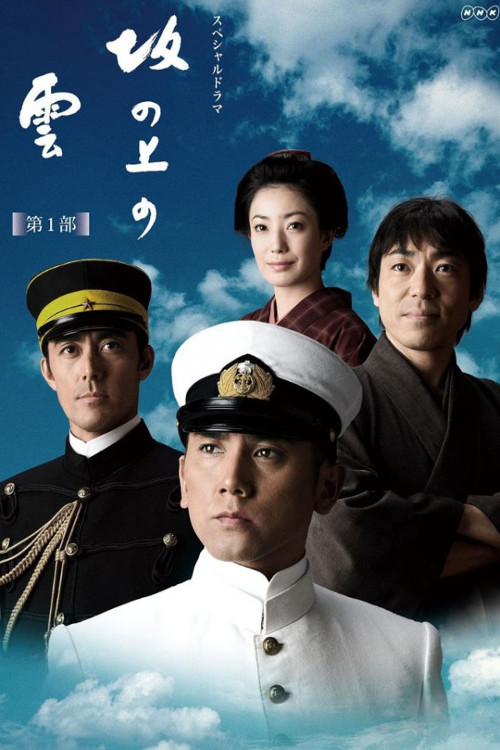
Clouds Over the Hill
坂の上の雲
Saka no Ue no Kumo is an NHK 21st Century special drama which was aired over three years starting from November 29, 2009. The series runs 13 episodes at 90 minutes each. The first series, with 5 episodes, was broadcast in 2009, while series two and three, each with 4 episodes, were broadcast in late 2010 and 2011. While most episodes were shot in Japan, one of the episodes in series two was shot in Latvia. The TV series is based on the novel Saka no ue no kumo by Ryōtarō Shiba and adopted by Hisashi Nozawa. The theme song of the drama series is titled "Stand Alone". It was composed by Joe Hisaishi, written by Kundo Koyama and performed by British soprano singer Sarah Brightman.
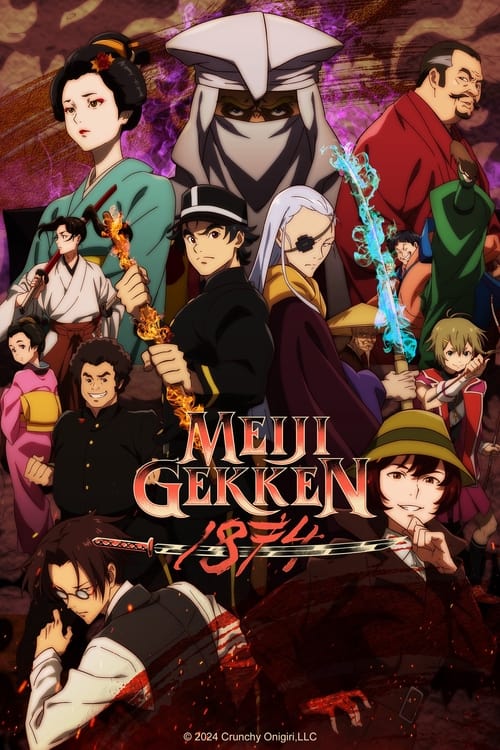
Meiji Gekken: 1874
明治撃剣-1874-
A former samurai, a yakuza bodyguard, a devious spy, and a geisha assassin try to find their place in the rapidly evolving Meiji-era while escaping the sins of their pasts.
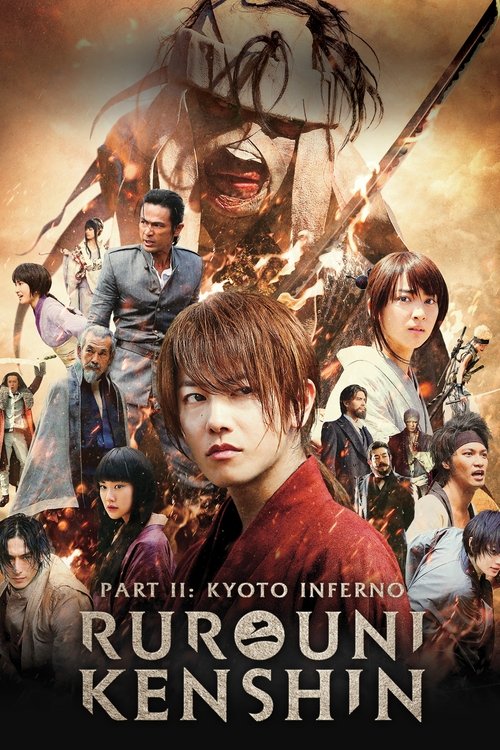
Rurouni Kenshin Part II: Kyoto Inferno
るろうに剣心 京都大火編
Kenshin has settled into his new life with Kaoru and his other friends when he is approached with a request from the Meiji government. Makoto Shishio, a former assassin like Kenshin, was betrayed, set on fire and left for dead. He survived, and is now in Kyoto, plotting with his gathered warriors to overthrow the new government. Against Kaoru's wishes, Kenshin reluctantly agrees to go to Kyoto and help keep his country from falling back into civil war.
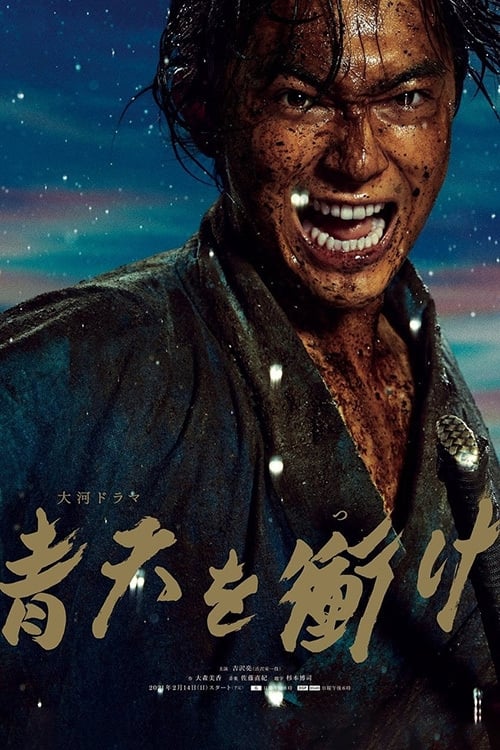
Reach Beyond the Blue Sky
青天を衝け
Shibusawa Eiichi was born in 1840 to a farmer’s family. He grew up helping his family with work, which was to manufacture and sell indigo production and also silk farming. He left his hometown at the age of 23 and began working for the government. He later traveled to Paris and learned about banking. Upon his return to Japan, he helped build up the first modern bank in Japan. He eventually became a founder or supporter to about 500 companies and was involved with about 600 public services, including education for women.
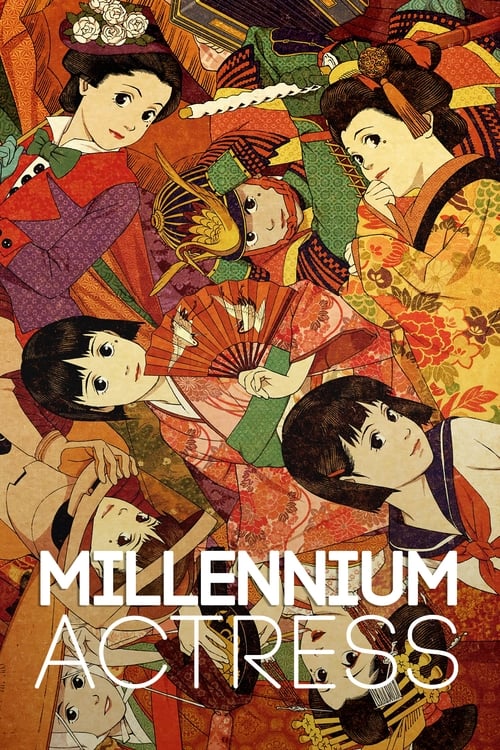
Millennium Actress
千年女優
Documentary filmmaker Genya Tachibana has tracked down the legendary actress Chiyoko Fujiwara, who mysteriously vanished at the height of her career. When he presents her with a key she had lost and thought was gone forever, the filmmaker could not have imagined that it would not only unlock the long-held secrets of Chiyoko’s life... but also his own.
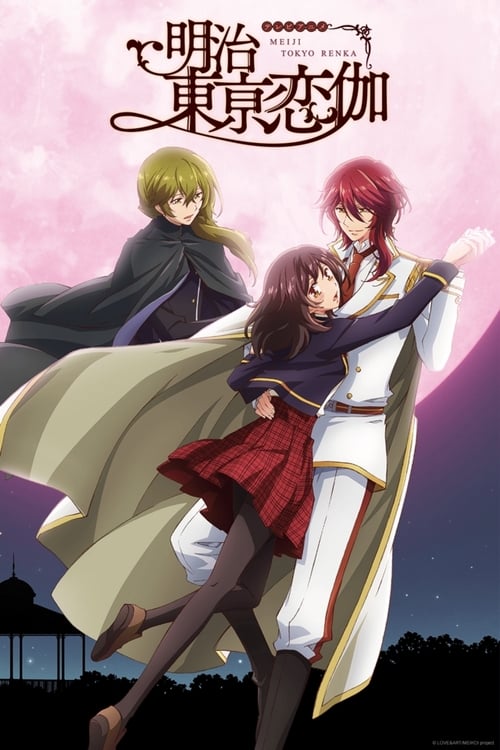
Meiji Tokyo Renka
明治東亰恋伽
Mei Ayazuki, an ordinary high school girl, becomes the object of affection for a bunch of handsome historical figures when she accidentally time-travels back to Tokyo during the Meiji Era.
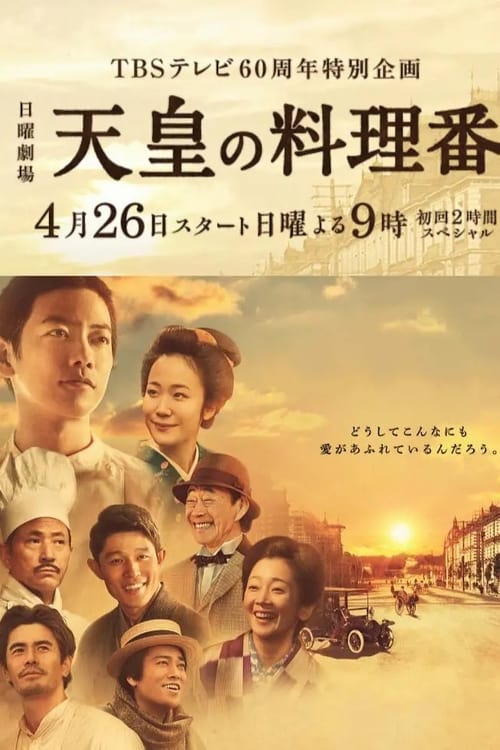
The Emperor's Cook
天皇の料理番
The drama series depicts the life of Tokuzo Akiyama, head chef of the Imperial Household Ministry’s Imperial Cuisine Division during the Taisho (1912-1926) and early Showa (1926-1989) eras. Based on a true story and book by Hisahide Sugimori, 'The Emperor’s Cook' follows the life of country boy, Akiyama, who arrives in Tokyo in pursuit of the culinary arts. Driven by a deep love for his wife and family, a great reverence for his teachers, strong reliance on friends and an abiding love for cooking, Akiyama eventually rises to become 'the Emperor’s cook'.

Rurouni Kenshin Part III: The Legend Ends
るろうに剣心 伝説の最期編
Shishio sets sail in his ironclad ship to bring down the government. In order to stop him, Kenshin trains with his old master to learn his final technique.
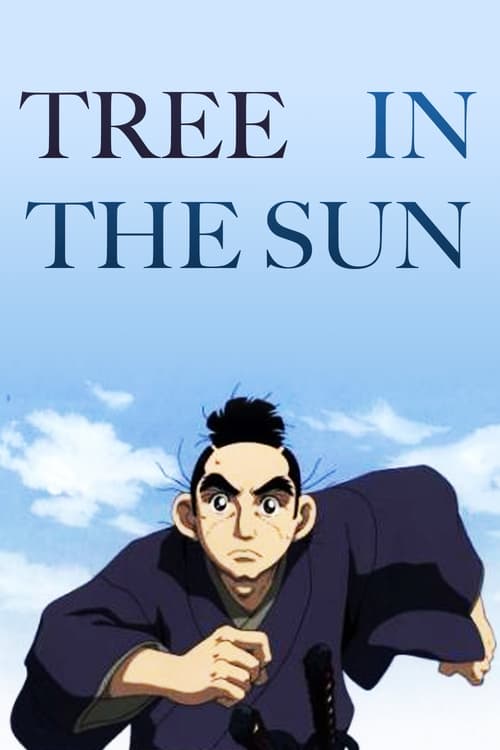
The Tree In Sunlight
陽だまりの樹
A story set in the mid-1800's about a young doctor who has been trained in Western-style medicine and a young samurai who is trying to live up to the old traditions of his class and culture. The story is actually based upon real people - the doctor, Ryo-an, was Tezuka's great grandfather. The manga series was adapted to anime by Madhouse Studios and premiered in Japan on NTV on April 4, 2000.
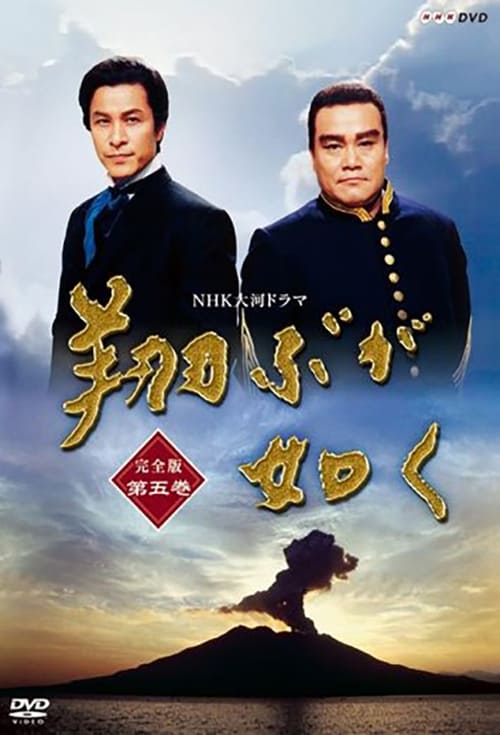
As If In Flight
翔ぶが如く
Historical drama about the life of Saigō Takamori and his involvement with the Meiji Restoration.
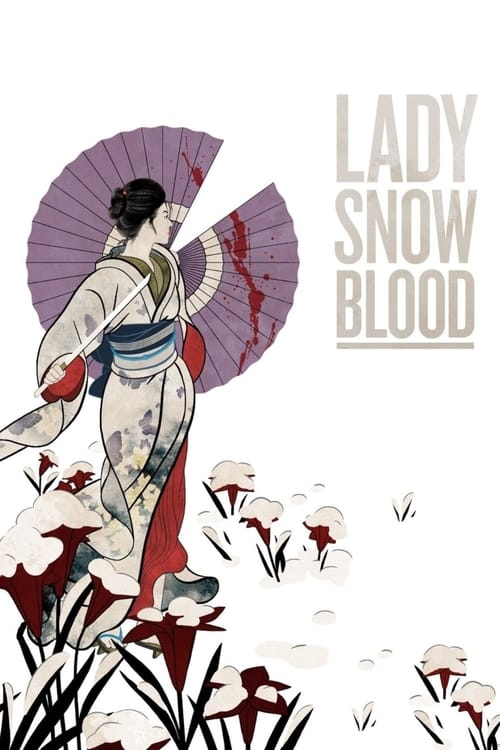
Lady Snowblood
修羅雪姫
Yuki's family is nearly wiped out before she is born due to the machinations of a band of criminals. These criminals kidnap and brutalize her mother but leave her alive. Later her mother ends up in prison with only revenge to keep her alive. She creates an instrument for this revenge by purposefully getting pregnant. Yuki never knows the love of a family but only killing and revenge.

11 Rebels
十一人の賊軍
When the brutal Boshin War breaks out in Japan, a group of inmates on death row unite to defend a fortress against the Imperial army.
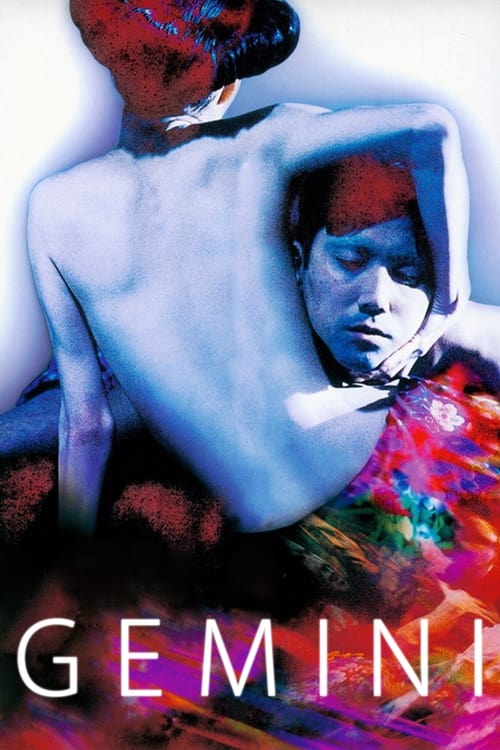
Gemini
双生児 -GEMINI-
When his mother's untimely death quickly follows his father's, a doctor begins to believe a killer may be targeting him and his amnesiac wife.
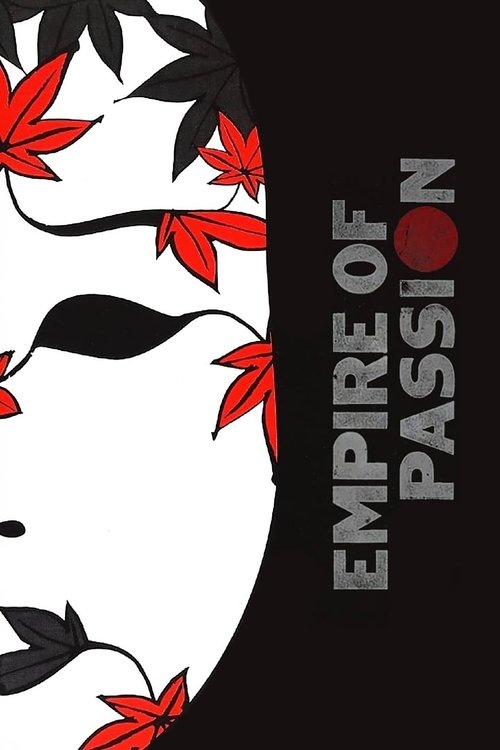
Empire of Passion
愛の亡霊
In a small Japanese village at the end of the 19th century, a rickshaw driver's wife takes on a much younger lover and the two conspire to murder him.
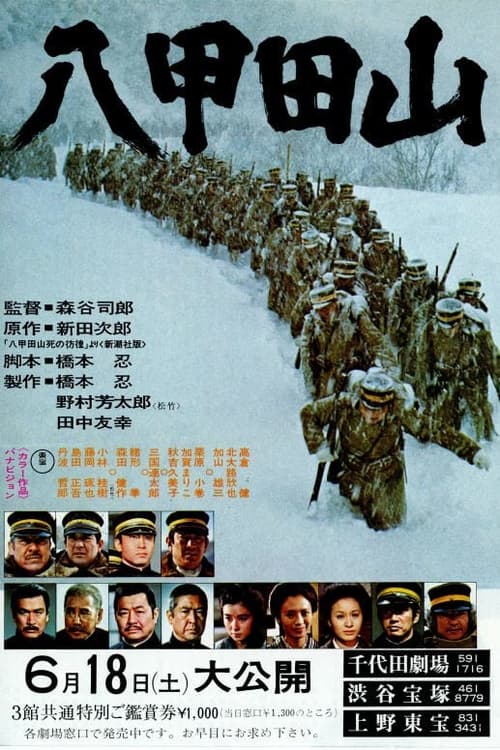
Mount Hakkoda
八甲田山
Two infantry regiments of the Imperial Japanese Army—210 men overall—tackled Mt. Hakkoda in the winter of 1902 to prepare for war with Russia.
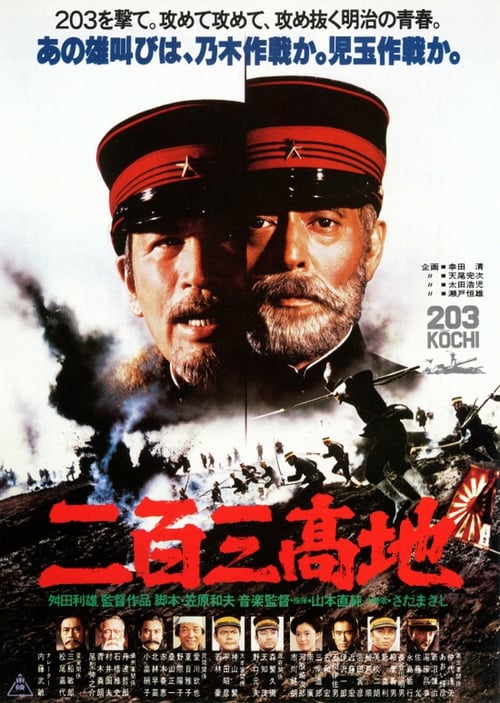
Port Arthur
二百三高地
Depicts the bloody siege of the fortress of Port Arthur, one of the most strongly fortified positions in the world, during the Russo-Japanese War of (1904 - 1905). In the story dominated the character Lt Takeshi Kogyo (Teruhiko Aoi), teachers, and a reserve officer who became commander of the platoon and later company. At the same time monitors the conduct of the army commander general Nogi (Tatsuya Nakadai), which was commissioned of the emperor Matsuhito (Toshirô Mifune) to the conquest of the fort.

Year One in the North
北の零年
In 1868, after the fall of the Shogun-dominated Japan, the new government orders people from Awaji, near Kobe, to re-locate to the northern part of Hokkaido. These people once supported the now displaced Samurais of the older days. After two years, over 500 of them settled in their new land under the leadership of Hideaki, husband of Shino. However, as crops fail he is to go to Sapporo to learn new techniques of farming, leaving his wife and daughter for 5 years. All this time, the new community is constantly watched by the government which choose to again uproot them from their new homes.
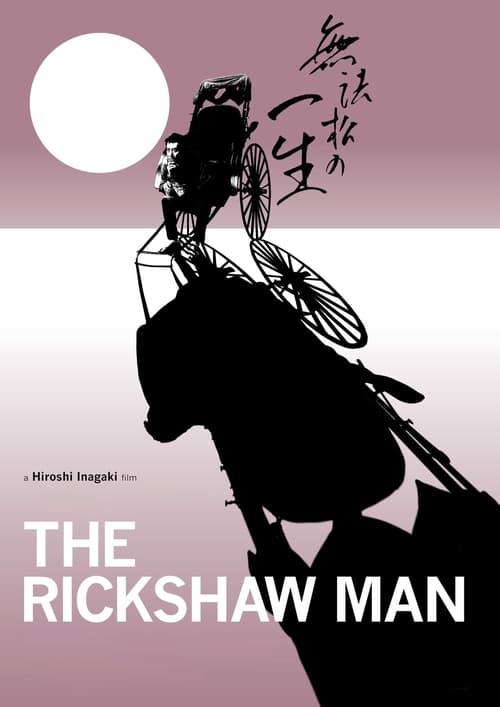
The Rickshaw Man
無法松の一生
A poor rickshaw driver finds himself helping a young woman and her son after the woman's husband dies suddenly.
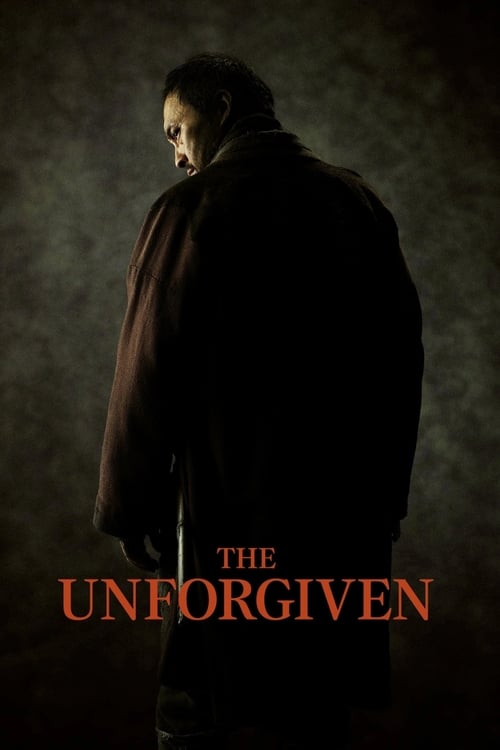
Unforgiven
許されざる者
An old swordsman, his former comrade and a young braggart are hired by prostitutes to track down bandits who mutilated one of the women.
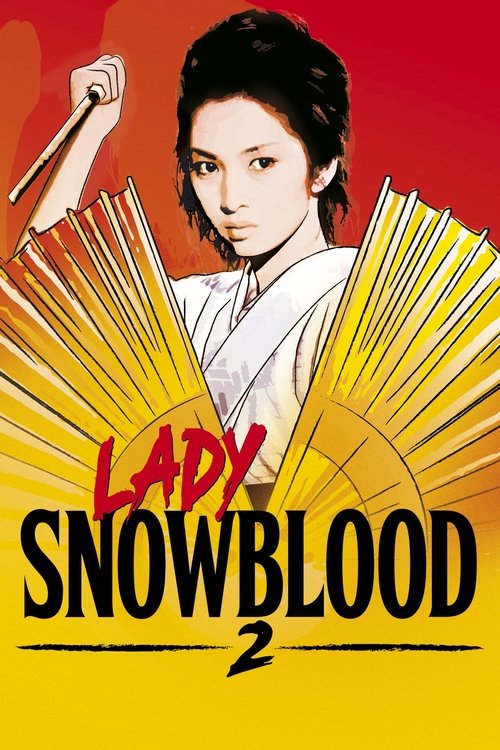
Lady Snowblood 2: Love Song of Vengeance
修羅雪姫 怨み恋歌
Lady Snowblood is caught by the police and sentenced to death for her crimes. As she is sent to the gallows she is rescued by the secret police who offer her a deal to assassinate some revolutionaries.
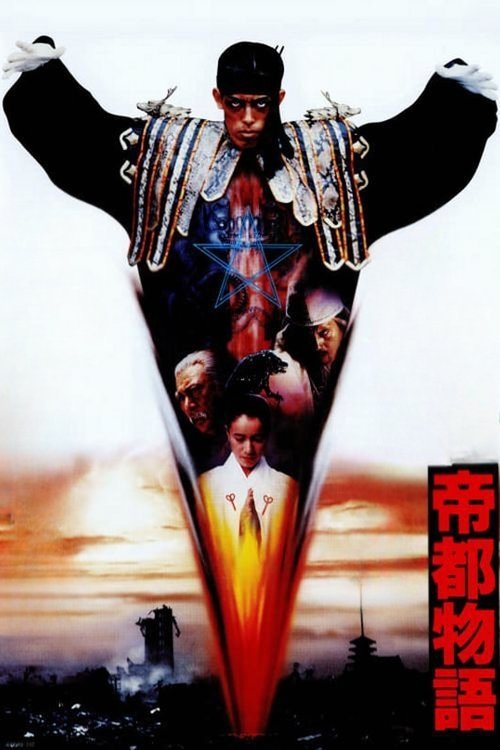
Tokyo: The Last Megalopolis
帝都物語
A demonic reincarnation of a Japanese general from the 10th century appears in the early 20th century Tokyo with a mission to destroy the blooming city.
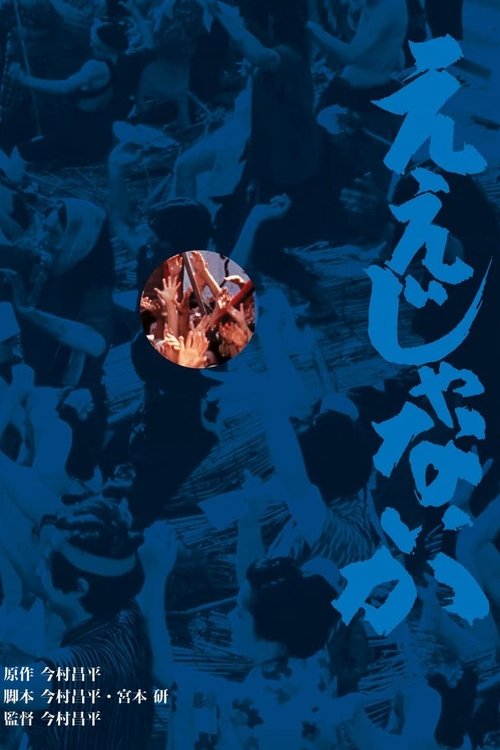
Why Not?
ええじゃないか
The film depicts carnivalesque atmosphere summed up by the cry "Ei ja nai ka" ("Why not?") in Japan in 1867 and 1868 in the days leading to the Meiji Restoration. It examines the effects of the political and social upheaval of the time, and culminates in a revelrous march on the Tokyo Imperial Palace, which turns into a massacre. Characteristically, Imamura focuses not on the leaders of the country, but on characters in the lower classes and on the fringes of society.
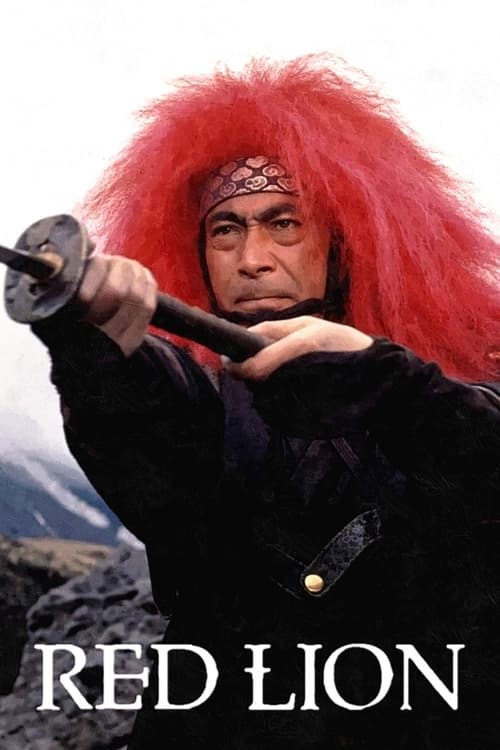
Red Lion
赤毛
Japan, February 1868. As the Tokugawa shogunate declines and the power of Emperor Meiji grows, Gonzo, a soldier of the Restoration Army, returns to Sawando, his hometown, to announce the end of tyranny.
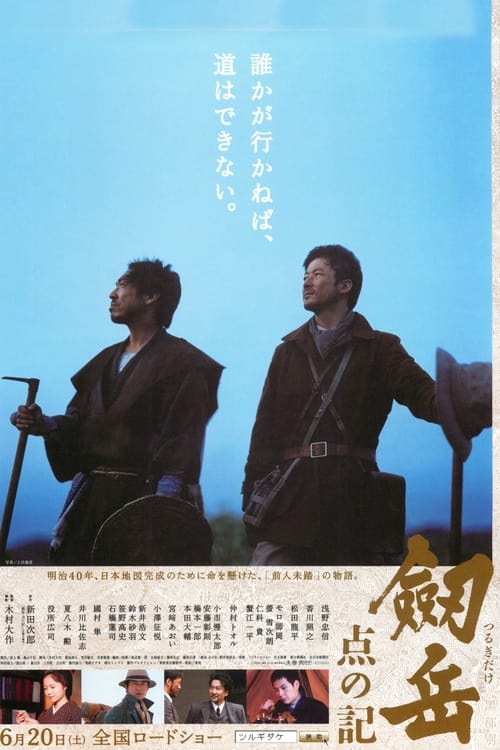
The Summit: A Chronicle Of Stones to Serenity
劔岳 点の記
In 1907, a group of men climb an unconquered peak in the last unmapped region of Japan.

The Last Town We Saw
終りに見た街
The narrative centers on Taichi Tamiya, a television scriptwriter living in modern-day Tokyo with his family. Their ordinary lives are disrupted when they inexplicably time-travel to June 1944, during the height of World War II. Confronted with the harsh realities of wartime Japan—scarcity of resources, constant air raids, and societal pressures—the family struggles to adapt and survive. The story delves into their attempts to navigate this perilous era while seeking a way back to their original time.